
In the unforgiving wilderness of Whiteout Survival, Shelters are the beating heart of every settlement. As the 2026 meta keeps pushing players toward efficient population growth, these structures are not just rows of frozen tents. They are the warm, stubborn pulse that keeps survivors alive, rested, and ready to work.

Shelters determine the size and strength of a community. Every new Shelter or upgrade expands a city’s capacity, pulls in fresh survivors, and gives the settlement a better shot at long-term success. Currently, players can establish a maximum of eight Shelters. That may sound like a small number, but each one is a major lever for economic and military momentum.
Why Shelters Are More Than Beds
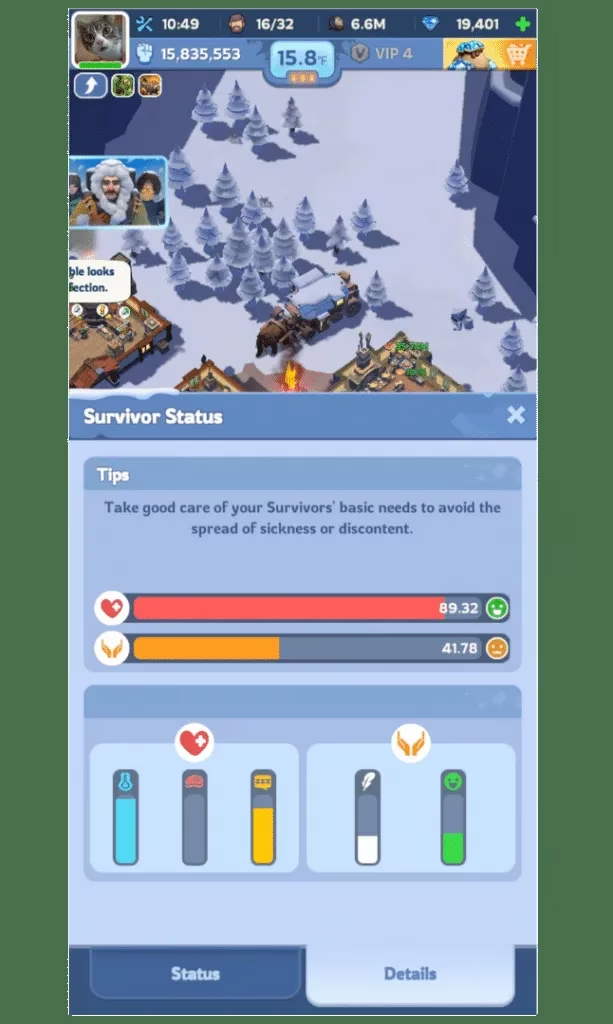
A Shelter is not a simple house. It is a sanctuary where tired survivors recuperate, sleep better, and wake up with better mood and energy. In game terms, that directly affects how efficiently a city runs. A survivor who sleeps poorly is like a worker running on empty—slow, unhappy, and sometimes ready to pack up and leave.
This is where comfort becomes practical. Upgrading living space and interior furnishings keeps people content, which in turn boosts resource production and city development. It also reduces the risk of illness. When survivors lack basic comforts, their health deteriorates, and suddenly the whole settlement is sneezing its way toward a productivity crisis.
Furnace Level and Shelter Slots
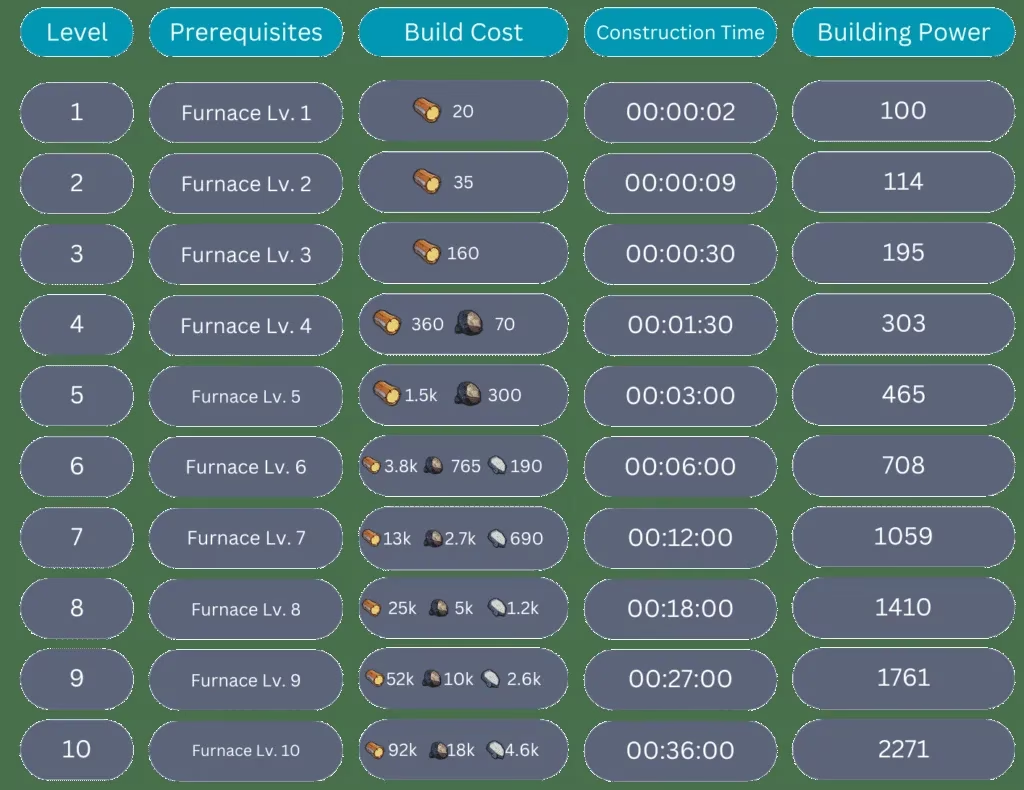
Before a city can welcome more residents, the Furnace must be strengthened. The Furnace is the fiery anchor of the settlement, and upgrading it unlocks additional Shelter slots. For example, reaching Furnace level 6 opens the construction of the fifth Shelter. It is an early milestone that, let’s be honest, is easy to underestimate.
Construction itself is straightforward. Players need wood from the Sawmill and stone from the Stone Mine. Once a slot is available, they tap the empty space, pay the resources, and construction begins. Costs increase as the settlement expands, so planning ahead is essential. A good rule for 2026 is to keep the Sawmill and Stone Mine staffed even when other buildings look more exciting.
New Survivors and the Happiness Factor
Attracting new survivors is only half the battle. The real challenge is keeping them happy enough to stay. Population growth comes naturally when housing capacity expands, but an unhappy survivor is lost manpower. Investing in upgraded Shelters and quality furniture helps create a welcoming environment that encourages workers to remain.

Illness is the silent killer of an unprepared city. When an outbreak hits, a well-equipped Clinic becomes the first line of defense. The Chief House can also absorb a significant number of sick survivors during widespread illness, giving the workforce a faster route back to health. Neglecting support buildings turns a manageable cold into a full-blown economic collapse.
Furniture That Shapes Survivor Mood
Inside each Shelter, five key furniture items directly influence comfort and performance:
| Furniture Item | Primary Benefit |
|---|---|
| Beds | Sleep Quality |
| Desks | Comfort and Mood |
| Rugs | Comfort |
| Washbasins | Comfort |
| Bookshelves | Mood |
Players must fully upgrade a Shelter’s furniture before they can upgrade the Shelter itself. This mechanic forces a balanced approach. It is not enough to stack beds and ignore everything else. A well-furnished Shelter gives better warmth, fullness, sleep quality, and mood, all of which translate into more productive workers.
The Upgrade Cascade
Shelter upgrades produce a cascade of benefits. More beds mean a larger population. Better furniture means improved survivor stats. Happier workers generate more resources and speed up city development. Each upgrade also adds to overall city power, which strengthens the account across multiple activities.
That is why Shelter upgrades should be prioritized early. A steady influx of new survivors rapidly expands the workforce, which accelerates resource production and opens the door to faster territory growth. It is a simple loop, but it works—and it is a total game-changer in the opening weeks.
Advanced Shelter Strategies for 2026
-
Staff resource buildings first: More workers at the Sawmill and Stone Mine keep construction flowing.
-
Use Furnace Max Power carefully: The Furnace has a voracious appetite for coal. Save Max Power for the coldest periods, especially overnight, to balance warmth and fuel.
-
Activate Chief House festivities: These events boost morale and help keep the city content.
-
Prioritize mood furniture: Bookshelves and similar upgrades make workers happier over time.
-
Collect idle exploration rewards: Exploration income builds up over a seven-hour window and supplies valuable Iron and Hero XP.
Keep an eye on shelter slots as Furnace levels rise. The gap between a medium city and a thriving metropolis often comes down to whether players built additional housing before they needed it.
Conclusion
Shelters are the foundation of survival in Whiteout Survival. They provide rest, warmth, and hope in a frozen wasteland. By upgrading rooms, furnishing them properly, and supporting survivors with Clinics and Chief House care, players turn a fragile settlement into a resilient city. As 2026 strategies continue to evolve, the core rule remains unchanged: take care of the people, and the city will take care of itself.
0 Comments